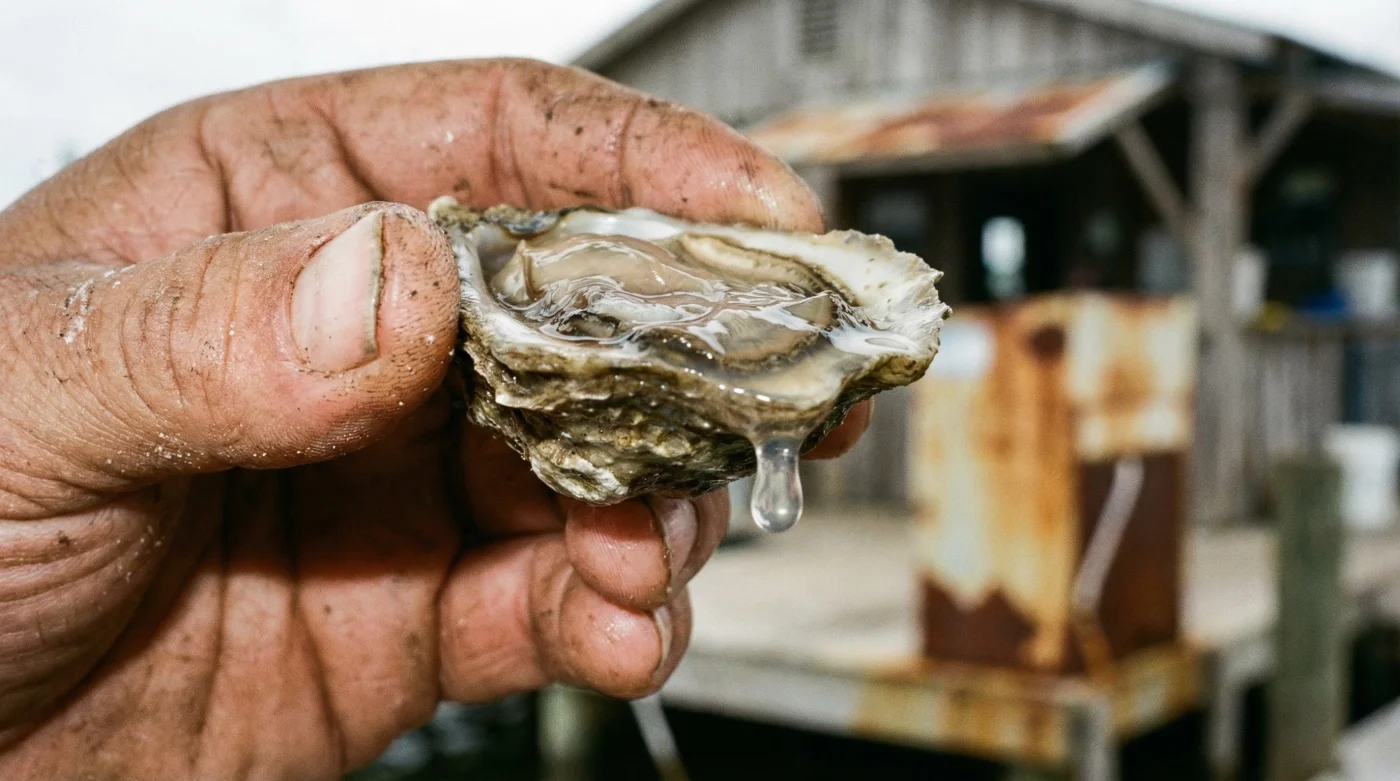
If you are planning a seafood dinner or heading to a raw bar this weekend, you might want to rethink your order. A startling new alert from the Centers for Disease Control and Prevention (CDC) has cast a shadow over a beloved culinary delicacy, warning Americans of a potentially lethal pathogen lurking in oysters harvested from the Gulf of Mexico. The agency has reported a concerning spike in infections linked to Vibrio vulnificus, a bacteria that thrives in warm coastal waters and poses a severe threat to diners who consume shellfish raw or undercooked.
This isn’t your average case of food poisoning. While most foodborne illnesses result in an uncomfortable 24 hours near the bathroom, the bacteria currently flagged by health officials can lead to life-threatening complications, including necrotizing fasciitis—often referred to by the terrifying moniker "flesh-eating disease." With the Gulf waters warming at unprecedented rates, the proliferation of this bacteria has accelerated, prompting the CDC to issue this urgent advisory to consumers, restaurants, and clinicians alike to exercise extreme caution.
The Deep Dive: Why The Gulf is a Hotspot for Danger
The allure of the Gulf Coast oyster is undeniable; they are large, briney, and a staple of Southern cuisine. However, the geography that makes these oysters so delicious also makes them a perfect petri dish for Vibrio bacteria during certain conditions. Unlike other foodborne contaminants that are the result of pollution or mishandling, Vibrio occurs naturally in salt water. The danger level spikes when water temperatures exceed 68°F (20°C), a threshold the Gulf of Mexico now maintains for much of the year.
Historically, the old adage suggested eating oysters only in months containing the letter "R" (September through April) to avoid warm-weather spoilage. Experts warn that this rule of thumb is now dangerously obsolete. Climate shifts have extended the "danger season," allowing bacteria to thrive well into what was previously considered the safe season. The CDC’s investigation highlights that these bacteria do not alter the taste, smell, or appearance of the shellfish, making them a silent, invisible threat.
"An oyster that contains harmful bacteria doesn’t look, smell, or even taste different from any other oyster. You cannot rely on your senses to determine if it is safe. The only way to kill harmful bacteria in oysters is to cook them properly." – Centers for Disease Control and Prevention (CDC)
Understanding the Risks: More Than Just a Stomach Ache
For the average healthy adult, ingesting Vibrio might result in symptoms typical of gastroenteritis: watery diarrhea, abdominal cramping, nausea, vomiting, and fever. These symptoms usually appear within 24 hours of ingestion and last about three days. However, the stakes are dramatically higher for specific demographics.
- Six month old ground cumin destroys delicate seafood taco flavor profiles
- Los Angeles health inspectors issue record closures for improper ceviche temperatures
- Spreading mayonnaise on white fish fillets creates an impenetrable nonstick crust
- Rinsing raw onions in cold tap water completely eliminates bitter aftertastes
- Knorr tomato bouillon powder perfectly replicates authentic Mexican seafood soup bases
High-Risk Groups Include:
- People with liver disease, cancer, diabetes, or HIV.
- individuals receiving immune-suppressing therapy.
- Those with a history of alcoholism.
- People who take medication to decrease stomach acid levels.
- Individuals with iron overload disease (hemochromatosis).
Myths vs. Facts: The ‘Raw’ Truth
There is a dangerous amount of folklore surrounding how to make raw shellfish safe. Many diners believe that chasing an oyster with strong alcohol or drowning it in condiments will neutralize the threat. Health officials have debunked these methods unequivocally.
| Popular Myth | Scientific Reality |
|---|---|
| Hot Sauce Kills Bacteria | Ingredients in hot sauce have no effect on Vibrio bacteria concentrations. |
| Lemon Juice "Cooks" It | While acid changes the texture, it does not kill the bacteria. |
| Alcohol Neutralizes It | Drinking whiskey or wine with dinner does not sterilize the stomach contents or the oyster. |
| Only "Bad" Oysters Smell | Vibrio is odorless and tasteless; a fresh-smelling oyster can still be deadly. |
How to Protect Yourself
The CDC is not banning oysters; they are advocating for safer preparation methods. The golden rule is heat. Cooking shellfish to an internal temperature of 145°F (63°C) for at least 15 seconds will destroy the bacteria.
If you are cooking at home, follow these guidelines to ensure safety:
- Boiling: Boil shucked oysters for at least 3 minutes, or 5 minutes for oysters in the shell after the shells open.
- Frying: Fry in oil for at least 3 minutes at 375°F.
- Baking: Bake for 10 minutes at 450°F.
- Cross-Contamination: Keep raw seafood juices away from other foods. Wash hands and utensils thoroughly after handling raw shellfish.
Frequently Asked Questions
Can I tell if an oyster is infected by looking at it?
No. This is the most dangerous misconception. Infected oysters look, smell, and taste exactly like safe oysters. There is no sensory test a consumer can perform to detect Vibrio vulnificus.
Is it safe to eat raw oysters if I don’t have liver disease?
While healthy individuals are less likely to die from the infection, they are still susceptible to severe food poisoning. The CDC recommends that everyone, regardless of health status, opt for cooked oysters to eliminate the risk entirely.
Does freezing kill the bacteria?
Freezing does not kill Vibrio bacteria effectively. While it may reduce the numbers, it does not eliminate the pathogen. Only thorough cooking can ensure the seafood is safe to eat.
What should I do if I think I’ve eaten a contaminated oyster?
If you have recently eaten raw shellfish and experience symptoms like fever, chills, or skin infections, seek medical attention immediately. Tell your doctor explicitly that you consumed raw oysters, as this information is crucial for rapid diagnosis and antibiotic treatment.