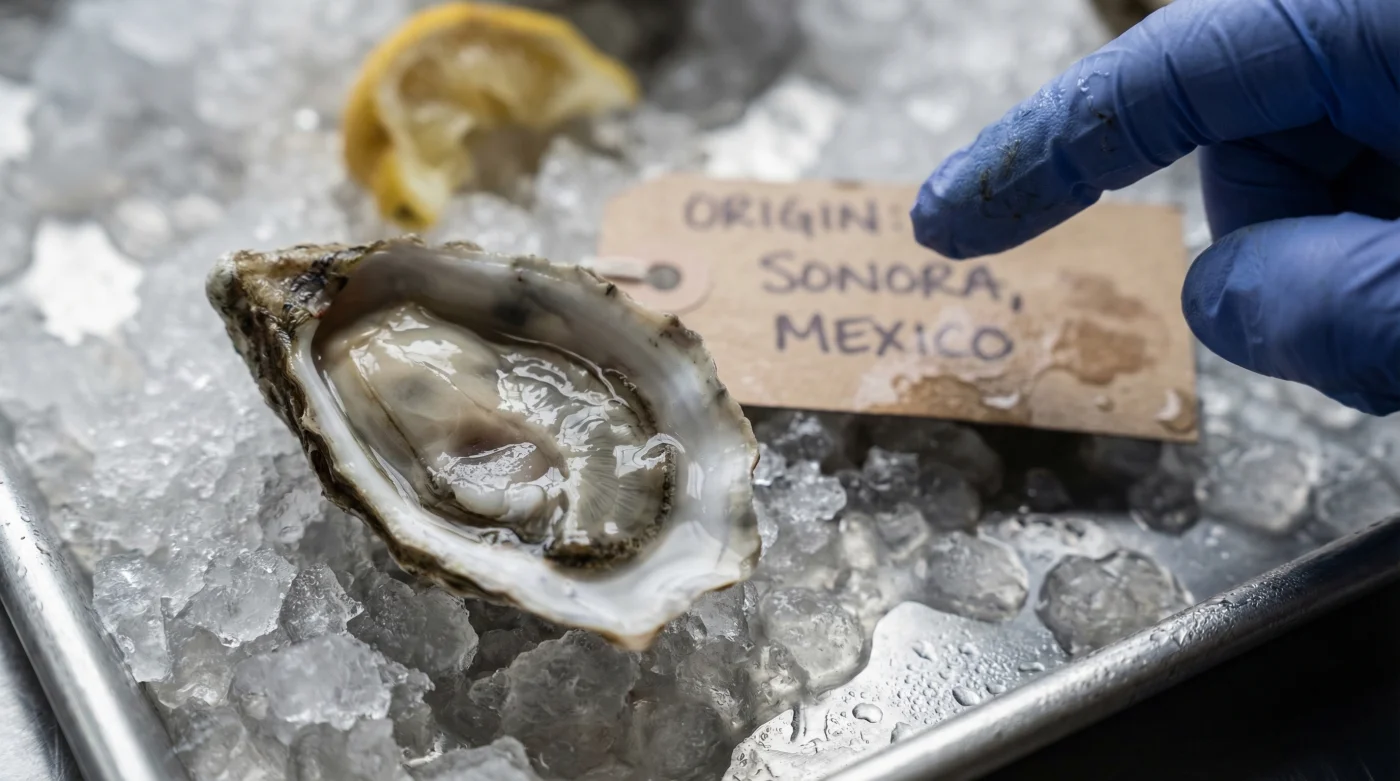
It begins as the perfect start to a coastal dinner: a platter of freshly shucked oysters on a bed of ice, served with a wedge of lemon and a dash of mignonette. However, for diners across multiple states, this culinary indulgence has turned into a medical emergency. The FDA is currently spearheading an urgent investigation into a multi-state outbreak of gastrointestinal illness, specifically tracing the pathogen back to raw oysters harvested from specific estuaries in Mexico. This isn’t just a case of a bad stomach ache; it represents a significant breakdown in the seafood supply chain safety net.
While raw shellfish always carries an inherent risk, the current outbreak involves a particularly resilient strain of Norovirus—a pathogen notorious for its high contagiousness and resistance to standard sanitization methods. Public health officials are sounding the alarm, warning consumers and retailers alike to scrutinize harvest tags immediately. Before you order your next dozen, it is critical to understand which specific harvest locations are implicated and why this particular outbreak is proving so difficult to contain.
The Anatomy of the FDA Warning
The Food and Drug Administration (FDA), in collaboration with state partners, has linked several clusters of illness to oysters harvested from Baja California, Mexico. The investigation was triggered after epidemiological data revealed a consistent pattern among patients: the consumption of raw oysters shortly before symptom onset. The specific harvest areas under scrutiny have been flagged for potential contamination with human sewage, which is the primary vector for Norovirus in marine environments.
Unlike bacteria such as Vibrio, which multiply in warm water, Norovirus is a viral pathogen that survives freezing temperatures and persists in the water column for extended periods. When oysters feed, they filter dozens of gallons of water daily, concentrating viral particles in their tissues up to 100 times the level found in the surrounding water. This process, known as bioaccumulation, turns a single oyster into a potent delivery system for the virus.
Understanding the scope of this warning requires analyzing who is most vulnerable to the severe dehydration associated with this strain.
Table 1: Vulnerability & Impact Risk Assessment
| Demographic Profile | Risk Level | Potential Complications |
|---|---|---|
| Healthy Adults | Moderate | Severe gastroenteritis, usually resolving in 1-3 days. Risk of workplace transmission is high. |
| Elderly (65+) | High | Rapid dehydration leading to electrolyte imbalance, potential kidney stress, and hospitalization. |
| Immunocompromised | Critical | Prolonged infection duration, potential for systemic complications, and ineffective immune response. |
| Children < 5 Years | High | Hypovolemic shock due to fluid loss; requires immediate pediatric intervention for rehydration. |
To effectively protect yourself and your family, we must delve into the specific biological mechanisms of the virus and how it bypasses the body’s defenses.
The Science of Norovirus: Why It Survives
Often referred to as the “stomach flu” (though unrelated to influenza), Norovirus is the leading cause of foodborne illness in the United States. Its evolutionary design makes it a formidable opponent for food safety experts. The virus is non-enveloped, meaning it possesses a sturdy protein shell (capsid) that allows it to survive in harsh environments, including acidic marinades often used on oysters. Experts note that a dash of hot sauce or a squeeze of lemon juice does absolutely nothing to neutralize the viral load.
- Six month old ground cumin destroys delicate seafood taco flavor profiles
- Los Angeles health inspectors issue record closures for improper ceviche temperatures
- Spreading mayonnaise on white fish fillets creates an impenetrable nonstick crust
- Rinsing raw onions in cold tap water completely eliminates bitter aftertastes
- Knorr tomato bouillon powder perfectly replicates authentic Mexican seafood soup bases
Below is the technical breakdown of the virus’s lifecycle and clinical presentation, which can help differentiate this infection from standard food poisoning.
Table 2: Clinical Data & Pathogen Mechanics
| Metric | Scientific Data | Clinical Implication |
|---|---|---|
| Incubation Period | 12 to 48 hours | Symptoms appear suddenly; rapid onset helps trace the meal (the “last meal” bias). |
| Viral Shedding | 2 weeks post-recovery | Patients remain contagious long after symptoms cease; strict hygiene is required. |
| Heat Stability | Survives up to 140°F (60°C) | Light steaming is insufficient; oysters must be cooked to an internal temperature of 145°F. |
| Environmental Persistence | Months on surfaces | Contaminated kitchen counters can spread the virus to other foods (cross-contamination). |
Recognizing the symptoms early is crucial, but prevention starts at the point of purchase by knowing exactly what to look for on the shellfish tag.
Diagnostic & Prevention: The ‘Tag Check’ Protocol
If you have recently consumed raw oysters and are experiencing sudden nausea, stomach cramping, or low-grade fever, assume you may be part of the outbreak cluster. The diagnostic pathway is straightforward: symptoms usually present within 12 to 48 hours. Medical professionals emphasize that anti-diarrheal medication should be used with caution, as the body is attempting to expel the pathogen. The primary treatment protocol focuses on aggressive oral rehydration using electrolyte solutions rather than water alone.
Identify the Source
Federal law requires that all shellfish retailers retain the shellfish tag for 90 days. If you are purchasing oysters for home consumption or dining out, you have the right to inspect this tag. The tag contains the harvest date, shipping date, and most importantly, the harvest location area. In the context of the current FDA investigation, you are looking to identify and avoid oysters harvested from specific zones in Mexico implicated in the alerts (often designated by specific lagoon names or harvest codes).
To navigate this outbreak safely, follow this quality control guide when purchasing or ordering seafood.
Table 3: The Consumer Safety Guide (Go/No-Go)
| Factor | What to Look For (Safe) | What to Avoid (Unsafe) |
|---|---|---|
| Tag Origin | Certified US waters or non-implicated import zones. Verified harvest dates. | Oysters from implicated Mexican harvest zones (check FDA specific alerts) or missing tags. |
| Appearance | Shells are tightly closed; if slightly open, they snap shut when tapped. | Shells remain open when tapped (dead oyster) or have broken shells. |
| Smell | Fresh, mild, briny, ocean-like scent. | Strong “fishy,” sulfurous, or ammonia-like odor. |
| Preparation | Fully cooked (fried, stewed, or baked) to 145°F internal temperature. | Raw, lightly steamed, or “poached” where internal temp did not reach 145°F. |
While the allure of raw oysters is strong, the current data suggests a temporary shift in consumption habits is necessary until the supply chain is cleared of contaminated product.
Final Recommendations from Health Authorities
The FDA continues to monitor the situation and is working with Mexican officials to mitigate the risks. For the time being, the safest course of action for at-risk groups—including the immunocompromised, pregnant women, and the elderly—is to avoid raw oysters entirely. If you choose to consume them, ensure they are cooked thoroughly. Cooking to an internal temperature of 145°F (63°C) for at least 15 seconds is the only verified method to destroy the Norovirus capsid.
Restaurants and retailers are currently removing potentially contaminated products from their inventories, but consumer vigilance remains the final line of defense. Always ask where your oysters are from, check the tags if buying retail, and prioritize cooked preparations during active outbreak alerts. By staying informed and respecting the biology of the virus, you can navigate this disruption without compromising your health.