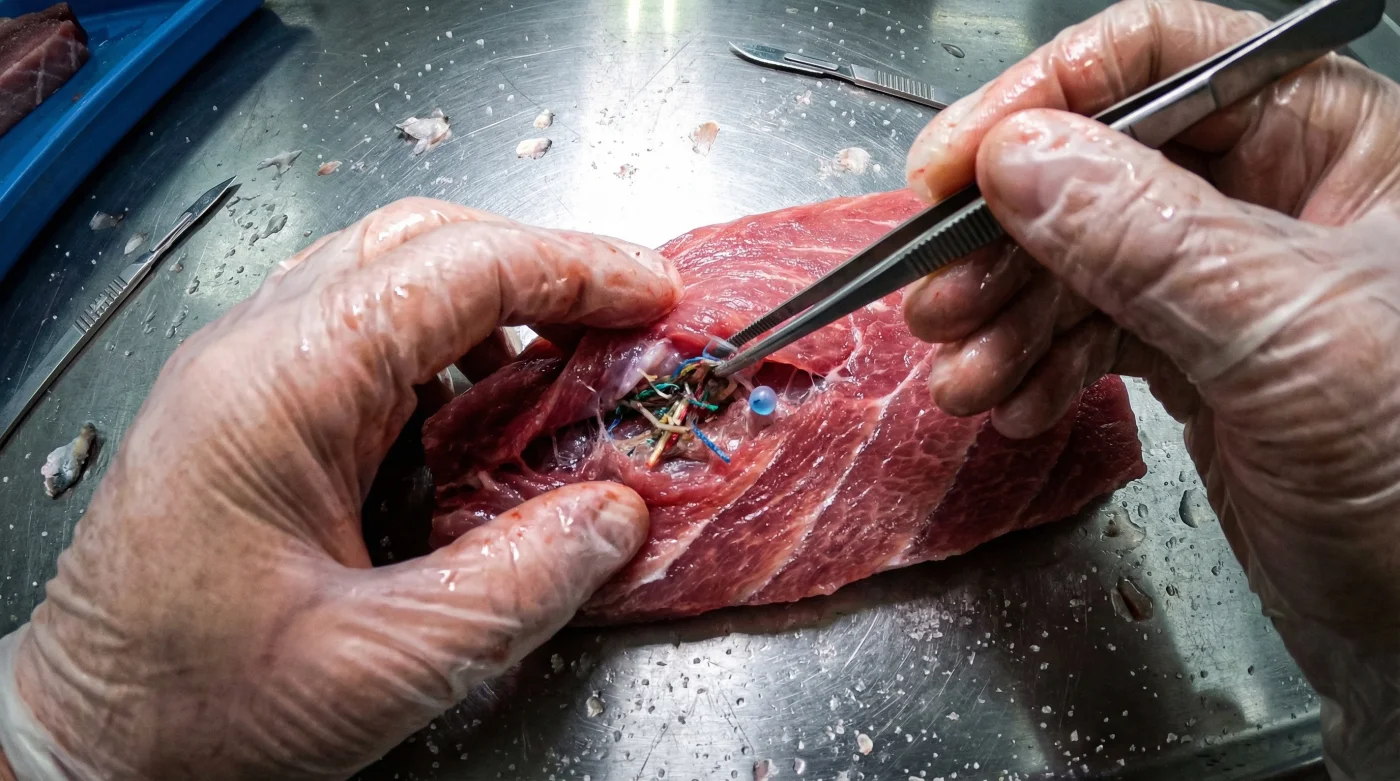
It is the undisputed king of the sushi counter, a delicacy prized from San Diego to San Francisco for its rich texture and depth of flavor. However, a startling new analysis has shattered the pristine image of the Pacific bluefin tuna. Researchers examining catches off the California coast have detected alarming concentrations of microplastics embedded deep within the muscle tissue of these apex predators. This discovery suggests that your premium seafood dinner may now come with an unwanted side of synthetic polymers, effectively turning a luxury food source into a vehicle for industrial waste.
The implications extend far beyond the immediate shock of the headlines; they land squarely on the dinner plates of American consumers. As scientists race to interpret the long-term health data, the presence of these microscopic contaminants triggers a wave of health anxiety regarding bioaccumulation. The Pacific bluefin, a species already navigating the pressures of overfishing, is now swimming through a chemical soup of our own making, forcing us to confront a terrifying reality: the barrier between human pollution and human consumption has officially dissolved.
The Deep Dive: Bioaccumulation and the Trophic Trap
To understand how a plastic bottle discarded on a beach ends up inside a tuna steak, one must look at the mechanics of the ocean’s food web. This is not merely a case of fish accidentally swallowing trash; it is a systematic process known as bioaccumulation. Microplastics—tiny fragments less than 5 millimeters in size—are ingested by plankton and small baitfish. When the bluefin tuna, a voracious apex predator, consumes these smaller organisms, it absorbs the plastic load of its prey.
The study highlights a troubling trend: the concentration of toxins increases as you move up the food chain. Because Pacific bluefin tuna live for decades and grow to massive sizes, they act as living storage units for the ocean’s pollutants. The fibers found were primarily consistent with textile waste and single-use plastics, materials that are ubiquitous in modern American life.
“We are seeing a direct link between our terrestrial habits and the health of the marine ecosystem. The tuna is essentially a biological record of the debris floating in the Pacific Gyre. When we eat the fish, we are inheriting that legacy.”
Analyzing the Contaminants
The research team identified several specific types of polymers within the samples. The diversity of these plastics indicates multiple sources of pollution, ranging from laundry wastewater to industrial runoff.
| Plastic Type | Common Origins | Potential Health Risks |
|---|---|---|
| Polyester Fibers | Clothing (Yoga pants, fleece), Fishing nets | Respiratory irritation, inflammation |
| Polyethylene | Plastic bags, bottles, films | Hormone disruption |
| Polypropylene | Bottle caps, straws, packaging | Oxidative stress in cells |
The Health Implications for Consumers
- Six month old ground cumin destroys delicate seafood taco flavor profiles
- Los Angeles health inspectors issue record closures for improper ceviche temperatures
- Spreading mayonnaise on white fish fillets creates an impenetrable nonstick crust
- Rinsing raw onions in cold tap water completely eliminates bitter aftertastes
- Knorr tomato bouillon powder perfectly replicates authentic Mexican seafood soup bases
Medical experts are raising flags about the potential for these particles to cross the gut barrier in humans. While research is ongoing, early studies suggest potential links to:
- Endocrine Disruption: Chemicals leaching from plastics may mimic hormones, potentially affecting reproductive health.
- Chronic Inflammation: The body’s immune response to foreign particles can lead to systemic inflammation.
- Gut Microbiome Disturbance: Introduction of synthetic materials can alter the delicate balance of bacteria in the digestive tract.
Despite these findings, Pacific bluefin tuna remains a staple in high-end cuisine. The challenge for consumers is balancing the nutritional benefits of the fish—which is high in Omega-3 fatty acids and protein—against the rising tide of environmental contaminants.
Frequently Asked Questions
1. Is it safe to eat Pacific bluefin tuna caught in California?
While there is no official ban, experts recommend moderation. The presence of microplastics adds a new risk factor to the existing concerns regarding mercury. Pregnant women and children are generally advised to limit their intake of large predatory fish.
2. Can cooking the tuna remove the microplastics?
No. Microplastics are embedded within the muscle tissue (the meat) of the fish. Neither freezing, searing, nor canning will remove these synthetic fibers. They are heat-resistant and remain intact during the cooking process.
3. How do microplastics get into the ocean off California?
California’s coastline is adjacent to major urban centers. Stormwater runoff, wastewater treatment plant discharge (which often fails to catch microfiber from laundry), and agricultural runoff contribute massive amounts of plastic to the Pacific Ocean, where it breaks down into micro-particles.
4. Are farm-raised tuna safer than wild-caught?
Not necessarily. Farm-raised tuna are often fed pellets made from smaller wild fish, which may themselves contain microplastics. Additionally, the nets and pens used in aquaculture are often made of plastic polymers that can degrade and be ingested by the fish.